
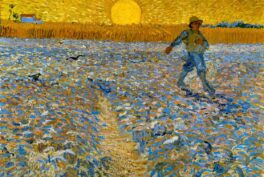
10 Radiant Summer Paintings by Vincent van Gogh
The luminous color of Van Gogh’s mature style took shape in Paris, where he spent two years living with his brother Theo among the avant-garde.
MJ Rivera 29 July 2026
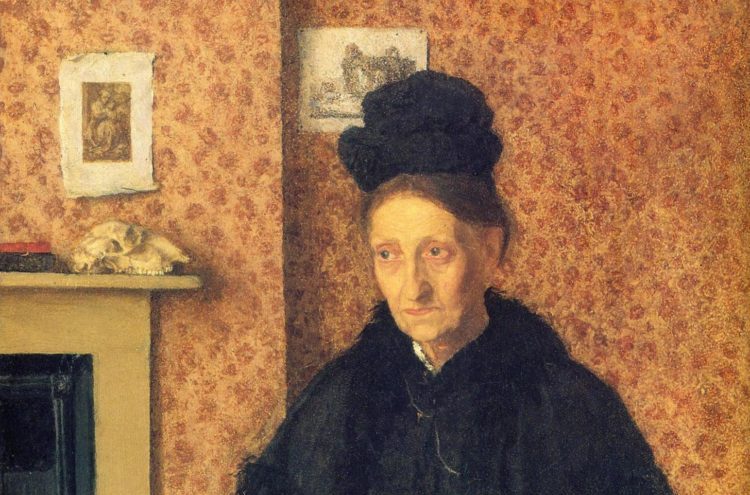
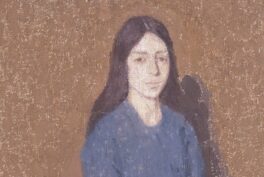
Gwen John, Mrs. Atkinson, ca. 1897–1898, The Metropolitan Museum of Art, New York City, NY, USA. Detail.
Have you ever heard of the artist Gwen John before? She was a painter from Wales following the Post-Impressionist style. The compositions of her artworks are tranquil, and her color palette is very bright. Let’s get to know her a little bit better!
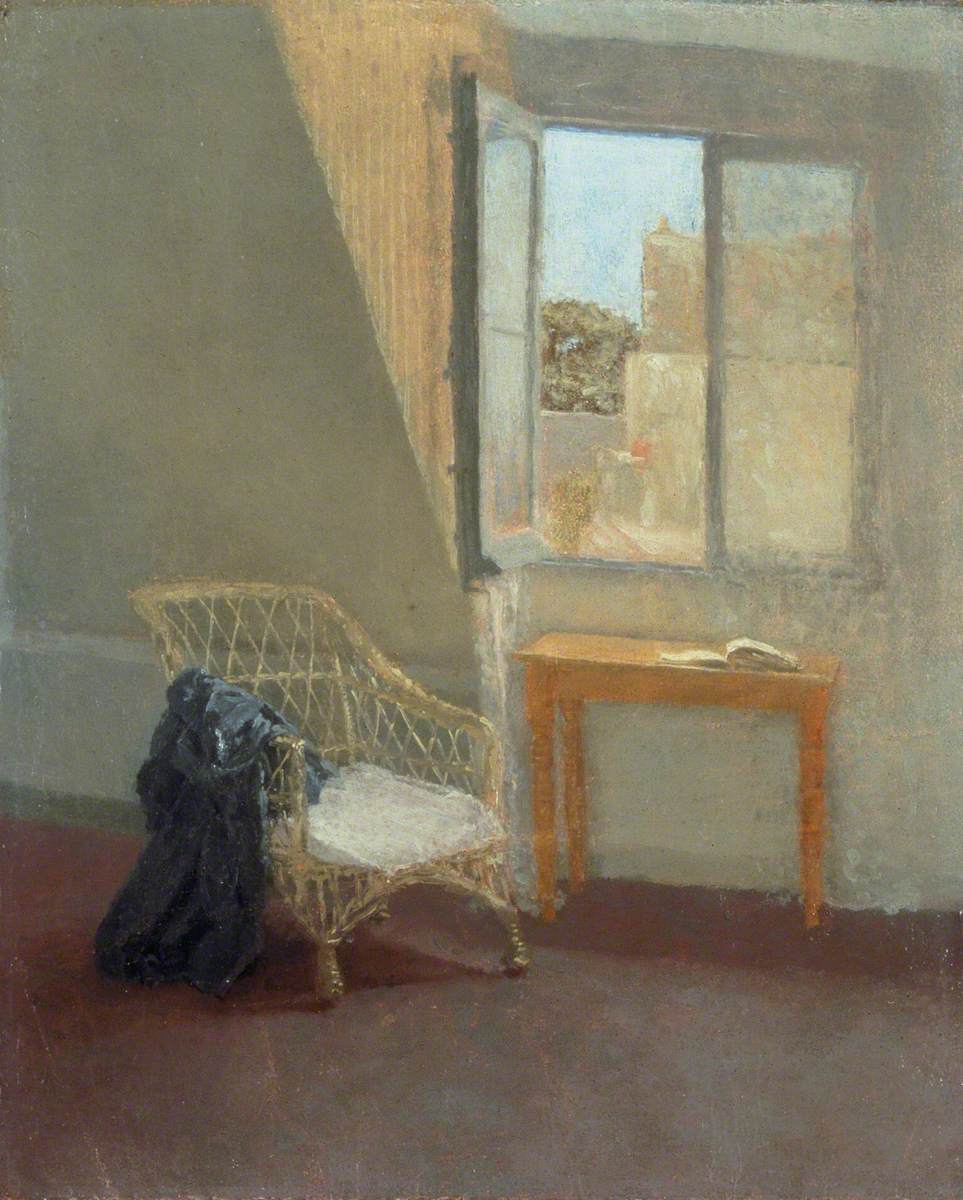
Gwen John studied art at the Slade School of Art together with her brother Augustus. However, they were complete opposites artistically. Contrary to Augustus, she lived a reclusive life and favored introspective subjects.
After her studies at Slade, John moved to Paris to study art under Whistler. In 1899, she returned to London for a short period, then in 1904 she settled permanently in France. Living in Paris, she earned her living modeling for other artists. This is how she met Auguste Rodin who became her lover. After the unsuccessful end of their affair, she continued to live alone. From 1911, she stayed in Meudon, on the outskirts of the city, where she spent most of her life. Her paintings depict her solitude, as she often painted her empty room in the attic. However, the paintings do not have an atmosphere of loneliness or sadness, rather they are contemplative and calm.
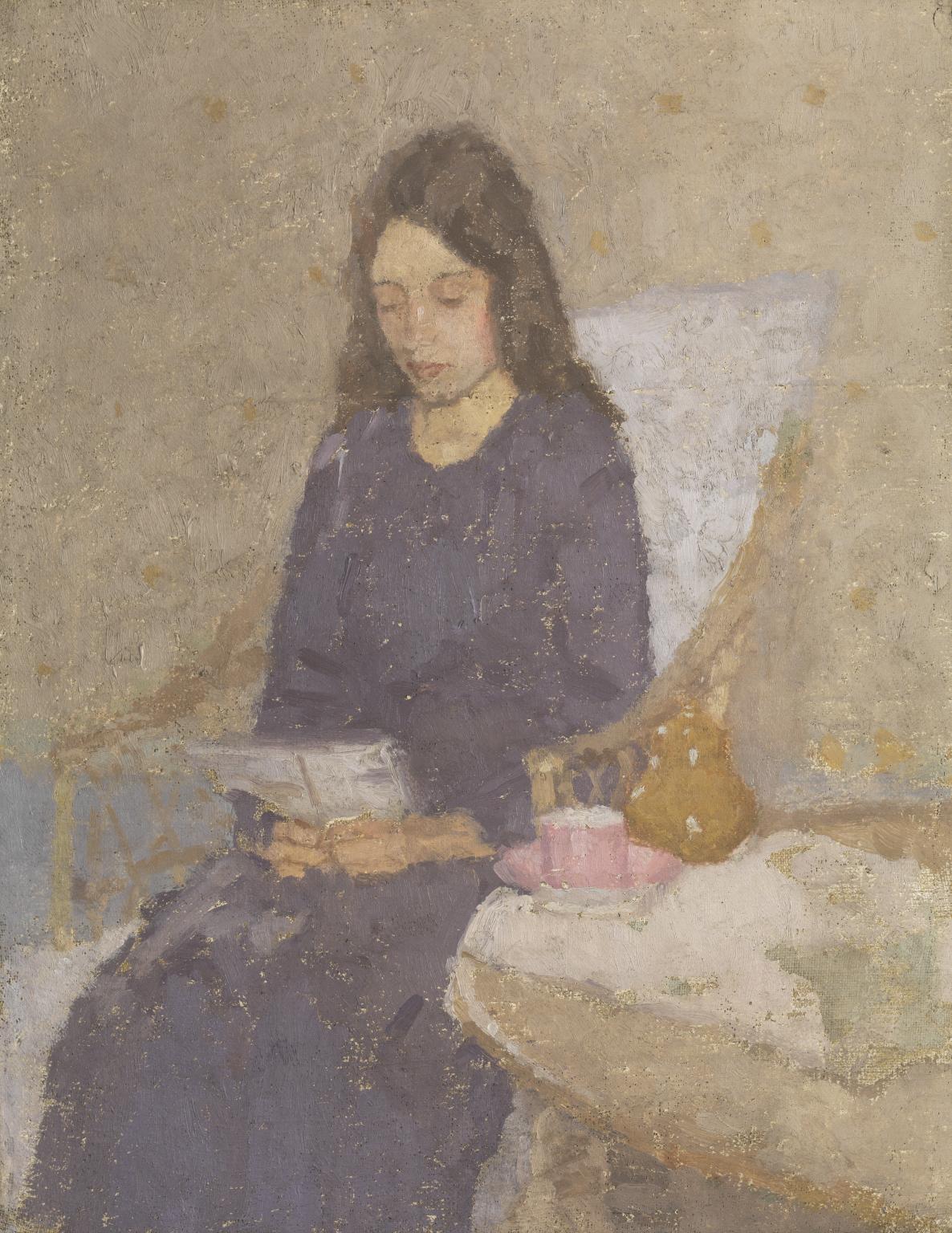
In 1913 John converted to Catholicism and she said:
My religion and my art, these are my life.
Gwen John, ArtUK.
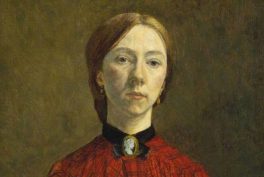
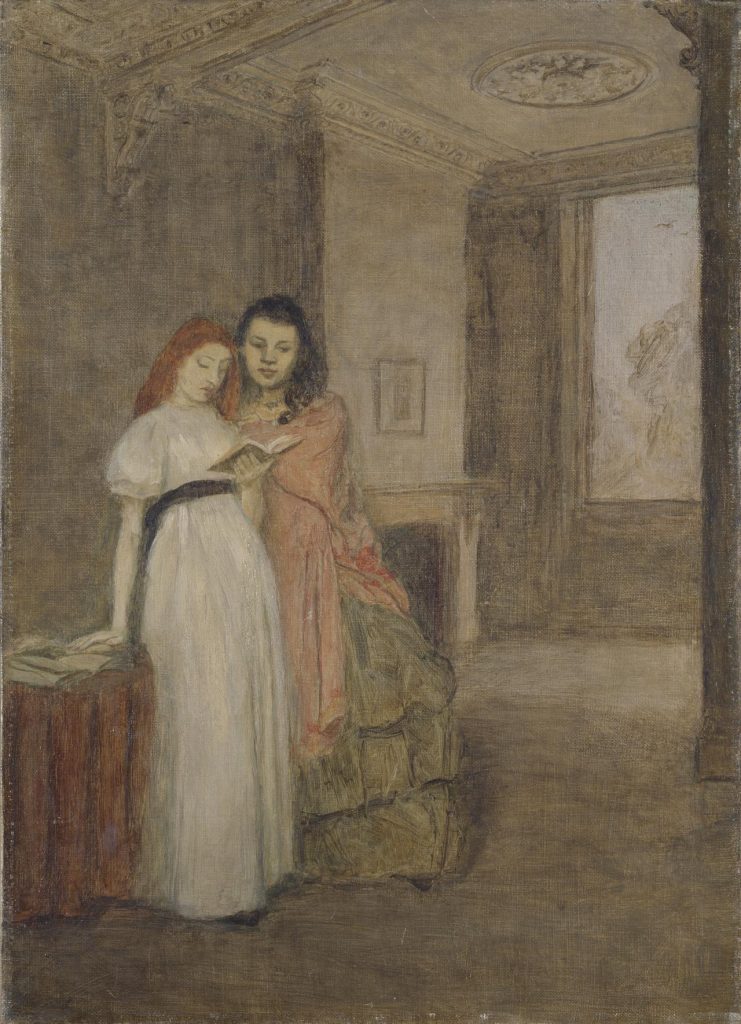
Most of her paintings are studies of single figures (typically girls or nuns, many self-portraits) in interiors, which, in a sense, remind me a lot of Vermeer. They are equally sensitive, restrained, and delicate.
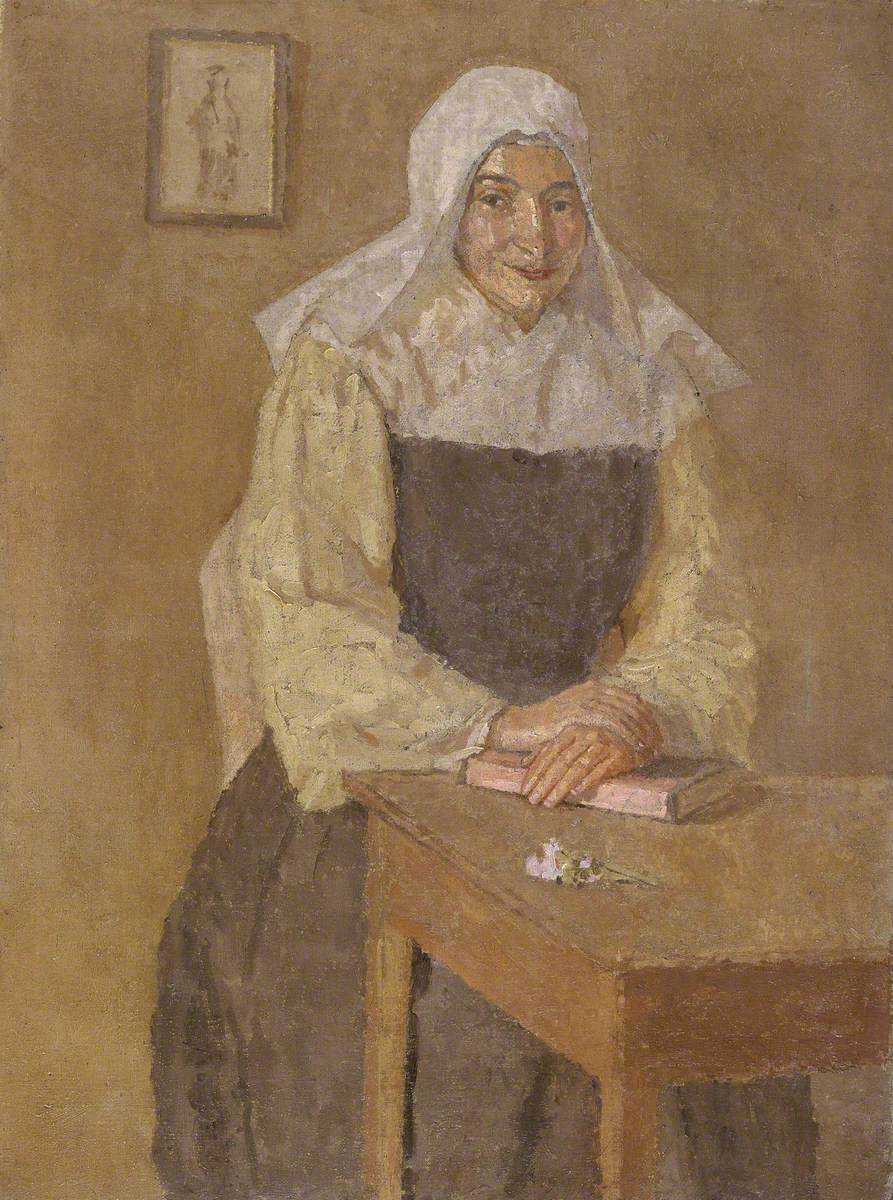
During her lifetime, she had only one exhibition at the New Chenil Galleries, London, in 1926. She was little known, and in her final years she lived virtually like a hermit. Her brother prophesied that one day she would be considered a better artist than him. Maybe it actually came true?
DailyArt Magazine needs your support. Every contribution, however big or small, is very valuable for our future. Thanks to it, we will be able to sustain and grow the Magazine. Thank you for your help!

Magda, art historian and Italianist, she writes about art because she cannot make it herself. She loves committed and political artists like Ai Weiwei or the Futurists; like Joseph Beuys she believes that art can change us and we can change the world.

Bec is an art nerd, bicycle enthusiast, cat mom, artist/crafter/maker from sunny Toronto, Canada.
The luminous color of Van Gogh’s mature style took shape in Paris, where he spent two years living with his brother Theo among the avant-garde.
MJ Rivera 29 July 2026
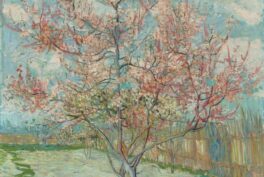
Spring blossoms held a special power for Vincent van Gogh and inspired paintings of remarkable beauty, often concealing the difficulties he faced...
MJ Rivera 20 March 2026
Vincent van Gogh is often celebrated for his expressive self-portraits, but his landscapes are equally powerful. He created some of his most vivid...
Anastasia Manioudaki, 19 January 2026
Paul Cézanne (1839–1906) was one of the most influential and greatest of the Post-Impressionist painters. Here is a list of ten different...
Sam Malone 30 December 2025