Let’s imagine a glamorous party in the 1920s – and our host is the grand Tamara de Lempicka! We can hear jazz playing in the background and see flappers dancing everywhere… Let’s meet the famous personalities of the 1920s who would most likely attend a party like this one.
The Twenties Party Host
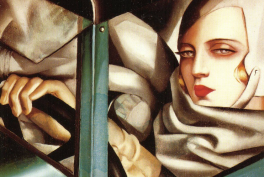
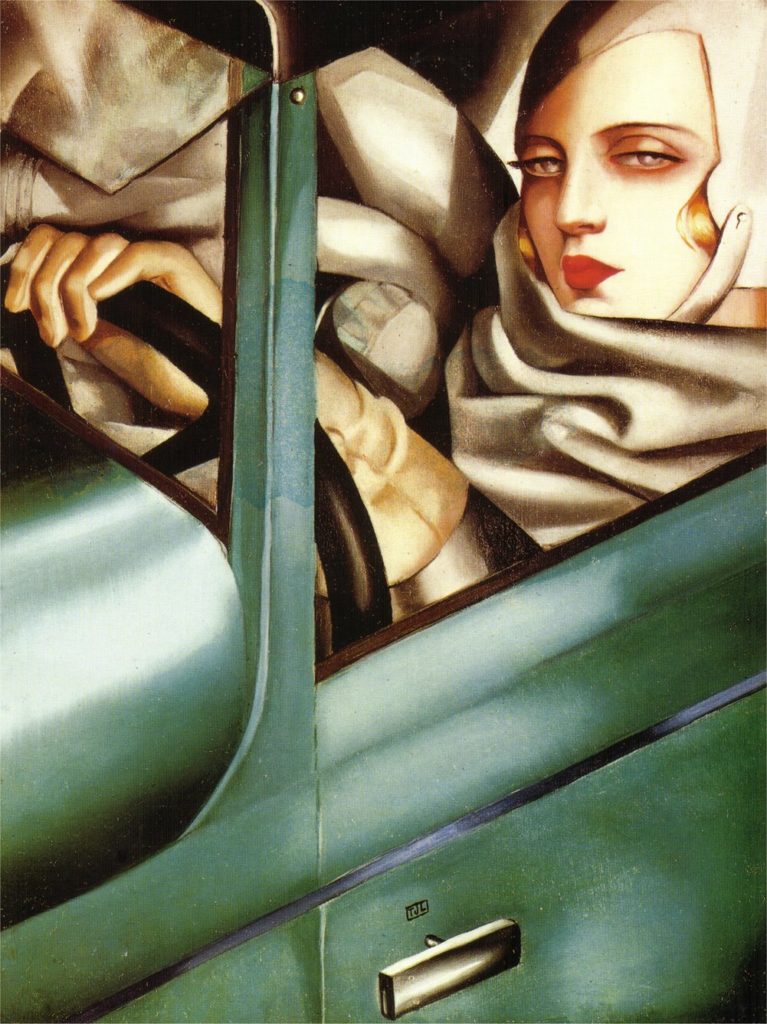
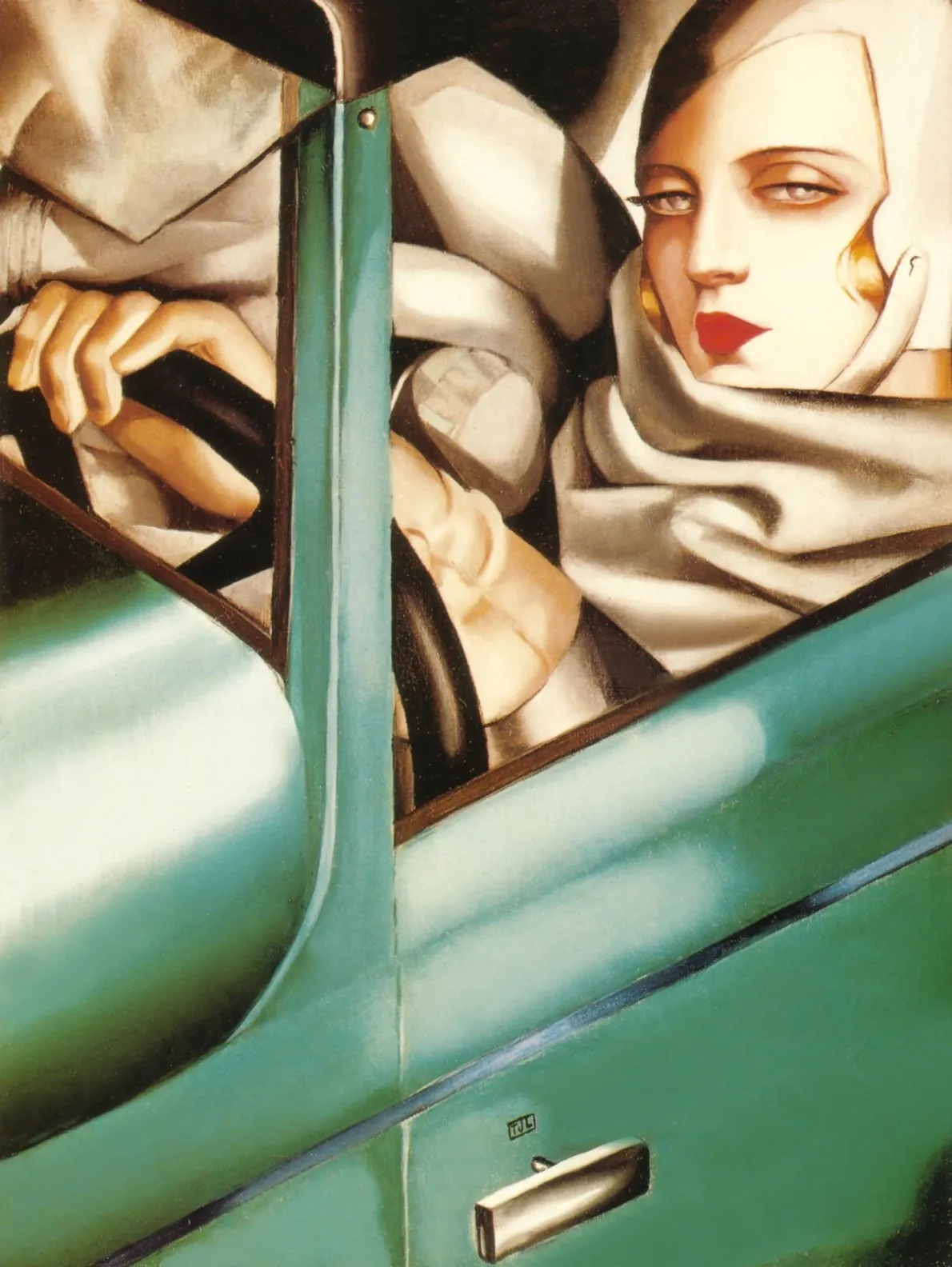
First, we should get to know our host. She is picking us up in her green Bugatti, wearing a leather helmet and gloves, wrapped in a grey scarf waving in the wind. De Lempicka is a famous Polish Art Deco painter of the 1920s. Writers, fellow artists, scientists, and nobility want to be portrayed by her. Her pale skin with that cold look and lubricious red lips show that she is aware of her position; she is independent, rich, and inaccessible, and she makes the rules.
The Twenties Stylish Sisters
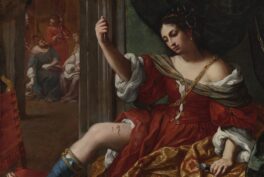
Arriving at the party we meet De Lempicka’s cousins, Irene and Ludmilla Declair. They are both wearing loose dresses. Fashion for women in the 1920s was all about getting loose. Daywear had sleeves and straight, pleated, hanky hems or tiered skirts. Day dresses had a drop waist, which was a sash or belt worn low on the waist or hip with a skirt that hung anywhere from the ankle up to the knee, never above. Jewelry was less relevant. Bobbed hair was the most popular style, giving a boyish look. In addition, the 1920s was the time when society rejected the corset and Coco Chanel came up with her timeless little black dress. Irene rolls back her eyes in a manner reminiscent of certain Baroque depictions of saints that witness the impact of classic art on De Lempicka’s work.
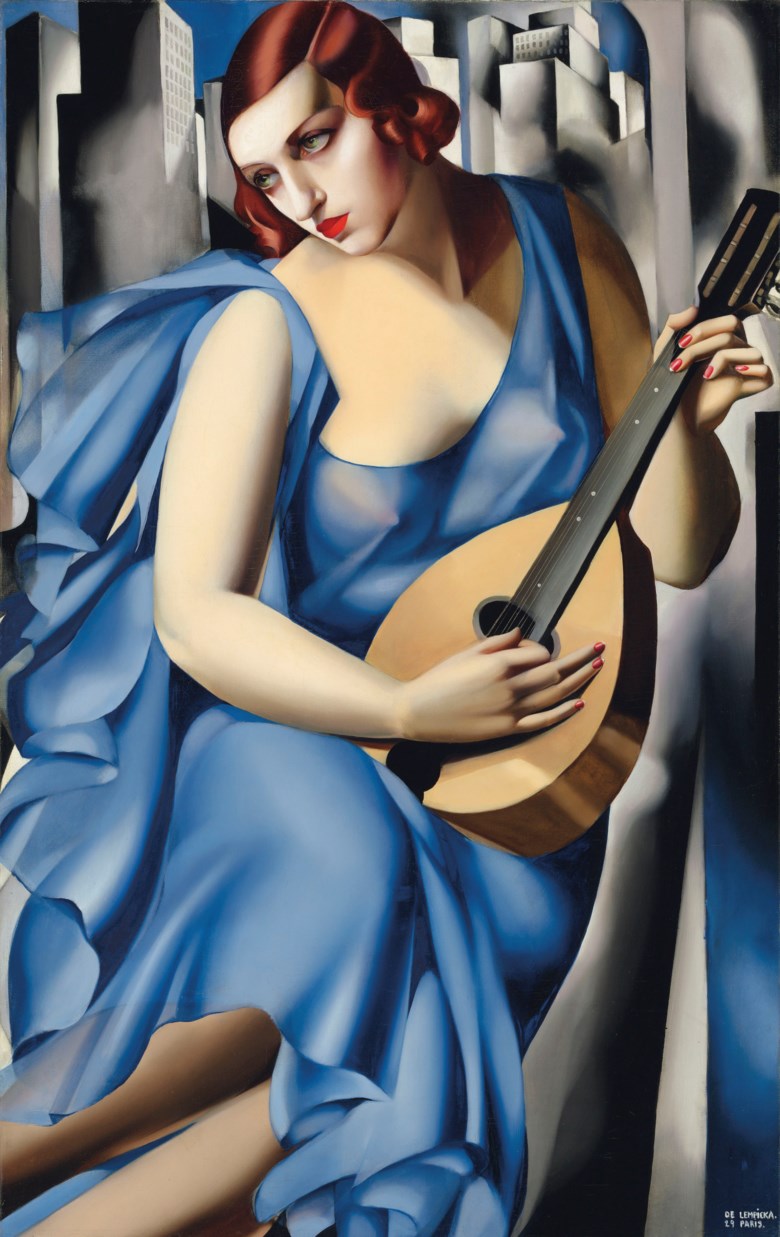
What would be a 1920s party without music? That’s why there, in the corner of the room, is a girl playing the guitar. She has bobbed hair and is wearing a blue satin dress. This is one of De Lempicka’s portraits inspired by a traditional motif in fine arts – allegorical representations of the arts. Here, music is depicted as a beautiful, elegant, and dark-haired woman preoccupied with music. As a matter of fact, the Renaissance works that Lempicka saw in museums while traveling through Italy had a great influence on her work. The light blue dress repels the usual, drab palette of early Cubism. Therefore, in De Lempicka’s paintings, palettes are limited but the color rarely fades. The colors she selects are in step with the tastes of the period.
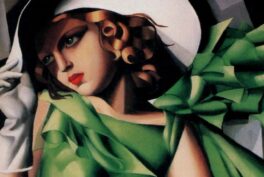
A party is always a good place to find out new stuff, isn’t it? We notice two ladies whispering to each other. They are very stylish, both looking cute and elegant with their red hats and red lipstick (cosmetics were associated with prostitution until the 1920s.) This is also the decade when the role of women in society changed rapidly. For example, women gained the right to vote in most countries. New careers opened for women in offices and schools with salaries that allowed them to be more independent. A new kind of feminine lifestyle was born – the “flapper”. Flappers had short hair and wore make-up and loose dresses, ankle or knee-length. They danced, drank, and smoked.
Now we are going to meet one of the VIPs that De Lempicka portrayed. Here is Duchesse de la Salle looking threatening in jackboots, one hand tucked in her pocket. Yes, she is dressed like a man, and no, it wasn’t forbidden then. In the 1920s, homosexuality became more visible and somewhat more acceptable. Humor was even used to help make it acceptable. This work offers a new image of a modern woman, with unrelenting self-determination and unapologetic sexuality, contradicting traditional portrayals of women viewed only as sexual objects.
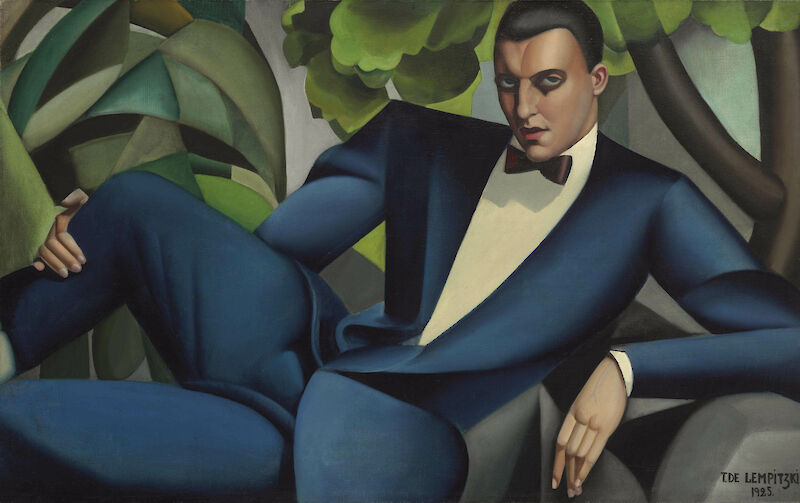
The second VIP we are meeting at De Lempicka’s 1920s party is a real charmer. Marquis d’Afflitto in a confident half-lying pose, donning a suit with a bow tie, looking at us with an arrogant gaze below his eyebrows. He looks enormous and frightening with broad shoulders and a triangular torso. A slick sharp man of the city. In the 1920s, business suits were the day-to-day attire for men in white-collar jobs. Striped, plaid, or windowpane suits came in dark grey, blue, and brown in the winter and ivory, white, tan, and pastels in the summer. Shirts were white and neckties were essential.
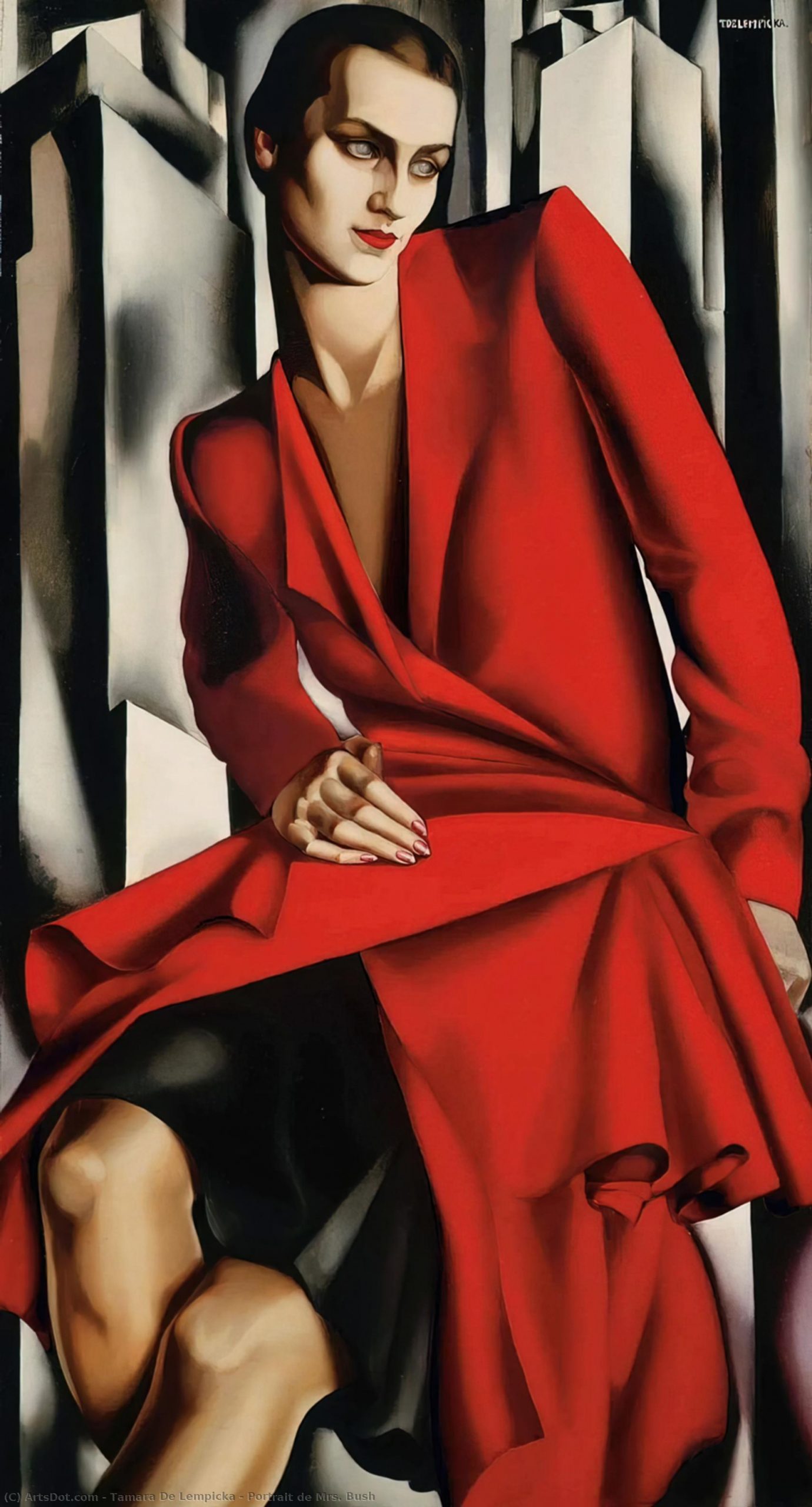
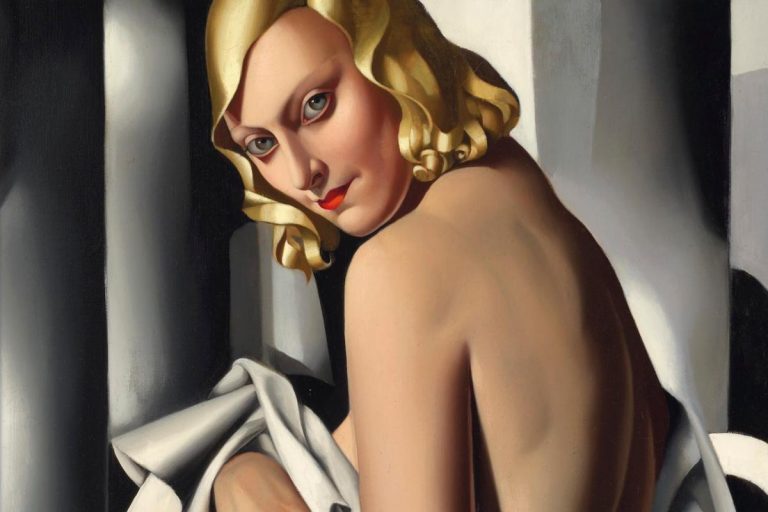
Finally, at De Lempicka’s party, we meet the super sexy, but very sophisticated guest, Joan Jeffery, fiancee of oilman Rufus T. Bush. This masterpiece was lost for 60 years. Lempicka’s women are modern, sensual, and fashionable female figures, composed of characteristic generously modeled plans and forms of Cubism. This contrasts sharply with Cubist compositions. In Cubism, subjects and backgrounds seem to be constantly changing and individual components of the overall work are equally important. De Lempicka’s work was often considered decorative art unlike her male colleagues, whose Cubism-inspired work included portraits and genre images. In conclusion, people like it because it is and always will be a fashionable escape into the decadent life of the 1920s elite.
We love art history and writing about it. Your support helps us to sustain DailyArt Magazine and keep it running.
DailyArt Magazine needs your support. Every contribution, however big or small, is very valuable for our future. Thanks to it, we will be able to sustain and grow the Magazine. Thank you for your help!
'Painting the Light: The Story of Berthe Morisot, First Woman Impressionist' is written by Natalia Iacobelli and illustrated by Rosanna Tasker. Read about this inspiring new children's book from Reycraft Books.
Rolinda Sharples painted the world of Jane Austen, and the political turmoil unfolding beyond the ballroom. Her paintings capture Regency society as...
Bologna, in northern Italy, fostered more women artists in the early modern period than any other European city. Nowhere else matched the number, the...

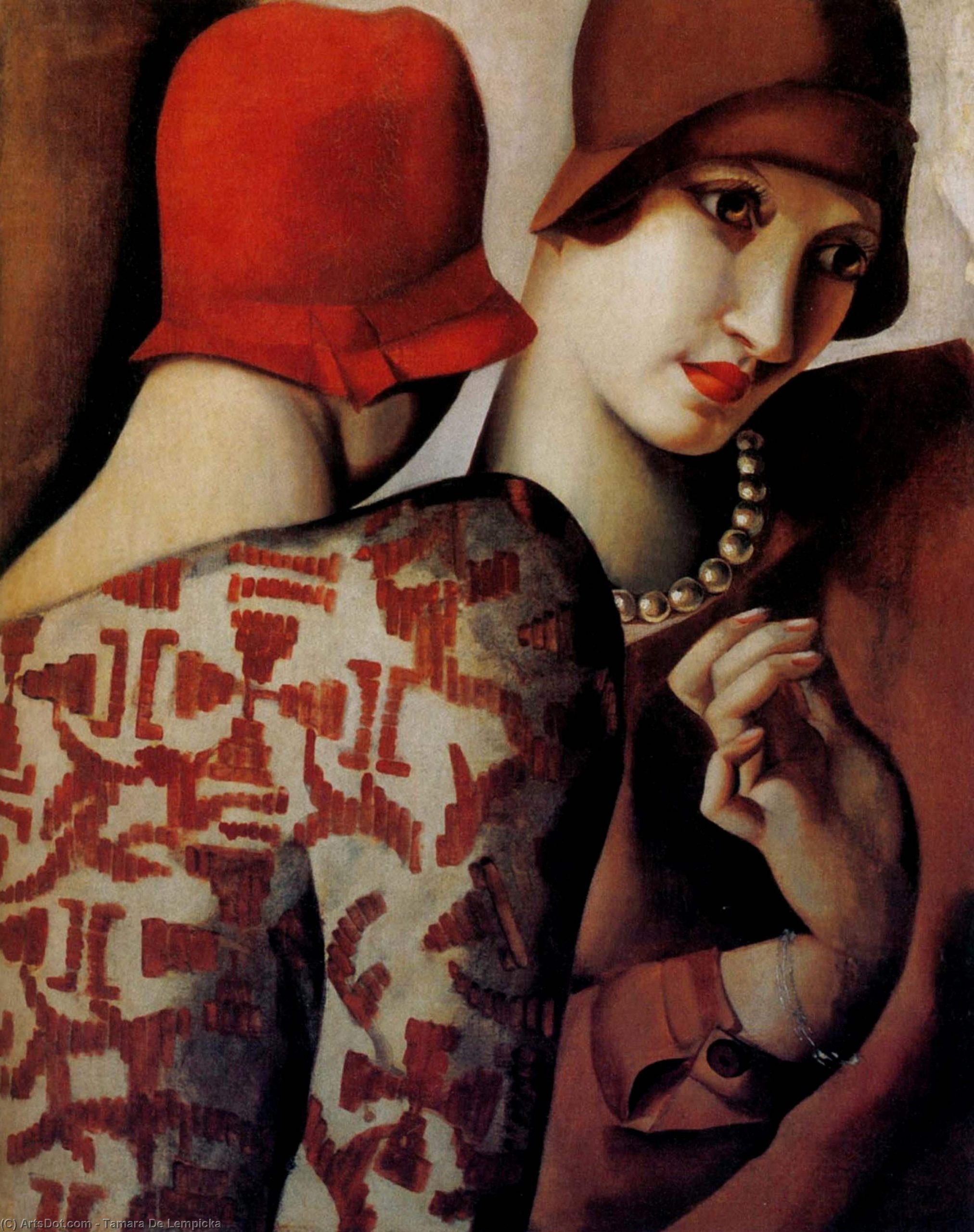 Tamara de Lempicka, Friends, private collection.
 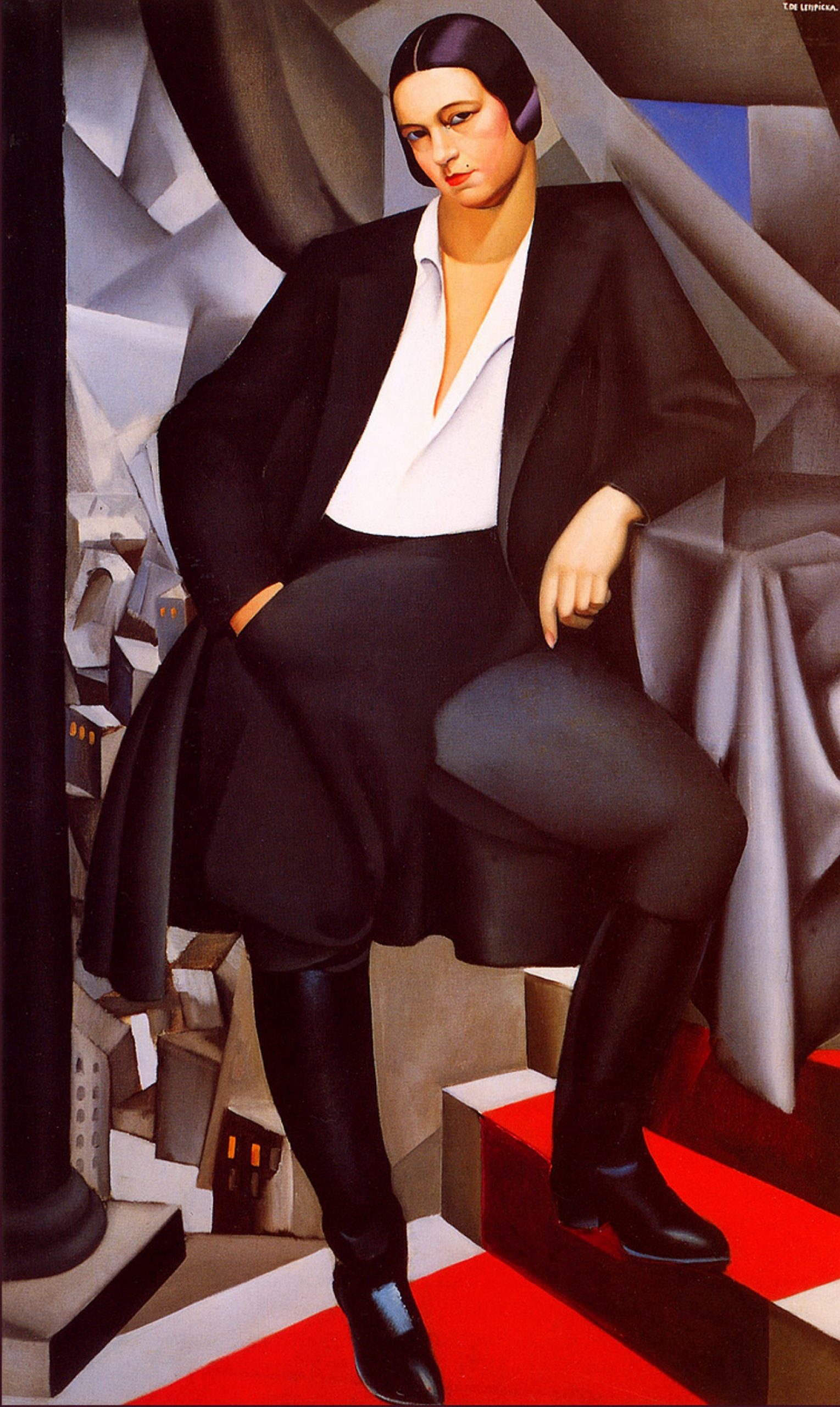 Tamara de Lempicka, Portrait of the Duchess of La Salle, 1925, private collection.